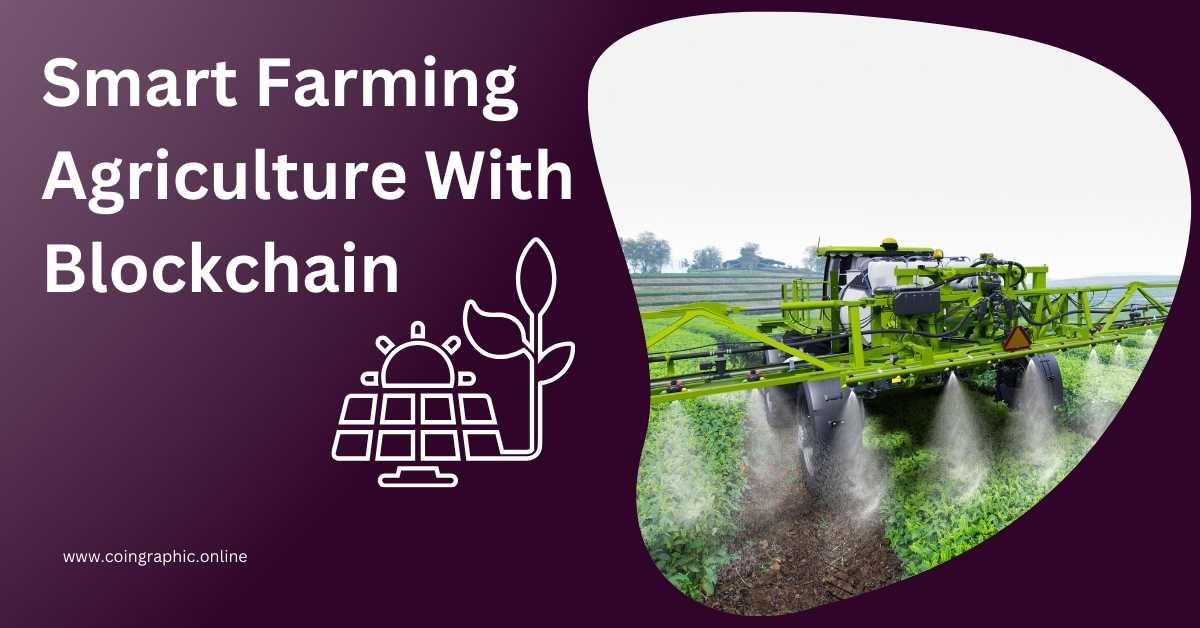
Smart Contracts for Smart Farming: Agriculture with Blockchain
Introduction
Welcome to the future of farming, where technology goes beyond tractors to manage contracts, insurance, and the entire food supply chain. Blockchain, once used mainly for digital money, is now changing agriculture, making it smarter and more efficient. Let’s explore how blockchain’s smart contracts are improving farming.
Understanding Smart Contracts and Blockchain in Agriculture
At its core, a smart contract is a self-executing contract with the terms of the agreement directly written into lines of code. These contracts run on blockchain technology—a decentralized ledger that records transactions across many computers so that the record cannot be altered retroactively. For agriculture, this means an unprecedented level of transparency, efficiency, and security. Imagine a world where every step of the farming process, from sowing seeds to the delivery of produce, is traceable, verifiable, and, most importantly, trustable.
Automating Agricultural Processes with Smart Contracts

Sales Contracts
Gone are the days of waiting for payments and dealing with cumbersome paperwork. Smart contracts automate sales agreements between farmers and buyers, ensuring that payments are instantly transferred once delivery is confirmed. This not only speeds up transactions but also minimizes disputes, creating a smoother operational flow for both parties.
Insurance Claims
Weather uncertainty and crop diseases can significantly impact a farmer’s livelihood. Here, smart contracts offer a beacon of hope. By utilizing data from IoT devices that monitor weather conditions and crop health, smart contracts can automatically process insurance claims, verify claim conditions, and trigger payouts without human intervention. This system reduces fraud and accelerates the compensation process, providing much-needed relief to farmers.
Supply Chain Management
The ability to go from farm to fork is a growing consumer demand, and blockchain technology delivers just that. Using smart contracts, we can keep a record of every step a product takes on its journey, and it’s easy for anyone to look up this information. This not only makes sure the food is fresh and real, but it also makes it much less likely to be unsafe or fake. It builds trust between the people who eat the food and the farms that grow it.
Combating Food Fraud with Blockchain
Food fraud—be it mislabeled products or counterfeit certifications—poses a significant threat to consumer health and trust. Blockchain technology provides a powerful solution by offering an immutable ledger for organic certification and non-GMO verification. This system makes sure that we can check if the things said about a product are true at any time during its journey. This helps customers feel confident that the food they eat is good and safe.
Helping Smoother Cross-Border Trade
The global agricultural market is fraught with complexities, from varying international standards to cumbersome customs processes. Blockchain simplifies these transactions, streamlining paperwork and ensuring that products meet the compliance standards of different countries. This not only helps farmers sell their products to people in other countries faster, but it also lets them reach new customers around the world. This makes the global food system stronger and better.
Additional Key Points
Environmental durability
Blockchain goes beyond economic benefits to support environmental durability. By verifying sustainable farming practices and reducing carbon footprints through efficient supply chain management, blockchain technology encourages a shift towards more responsible farming methods.
Enhancing Consumer Trust
Blockchain technology makes it possible for people to know a lot about the things they buy. You can find out where they come from and how they affect the environment. This level of detail enhances consumer trust, as they can make informed choices about the food they eat.
Challenges and Limitations
Despite its potential, the integration of blockchain in agriculture faces challenges, including technological barriers, high initial costs, and resistance from traditionalists. Furthermore, regulatory frameworks for blockchain in agriculture are still in their infancy, requiring careful navigation.
Future Perspectives
As we look to the future, the possibilities of blockchain in agriculture are as vast as they are promising. Ongoing research and pilot projects are continuously uncovering new applications and benefits, from water rights management to genetic information tracking. The scalability of blockchain technology could very well make it a cornerstone of agriculture in the decades to come.
Conclusion
Blockchain technology and smart contracts can bring a new way of doing things in farming. This new way is all about being more efficient, clear, and trustworthy. As we learn more and use these technologies, we’re making a way for a food system that’s good for nature, safe, and fair for everyone.